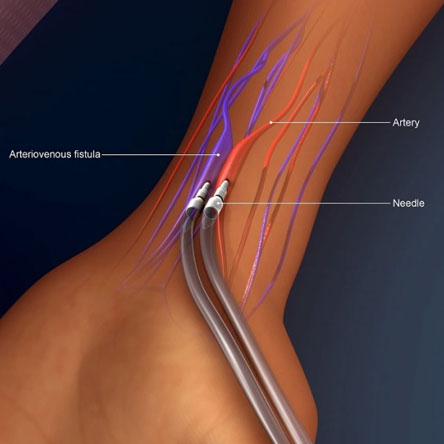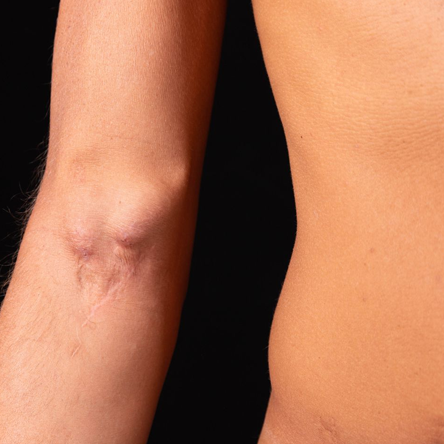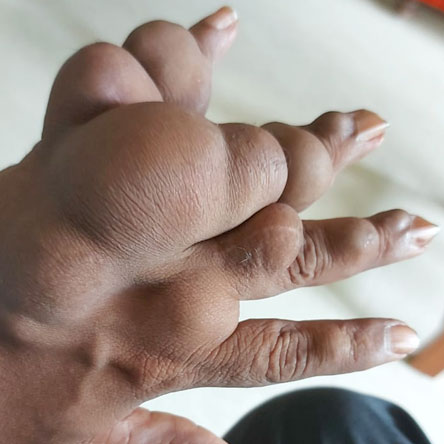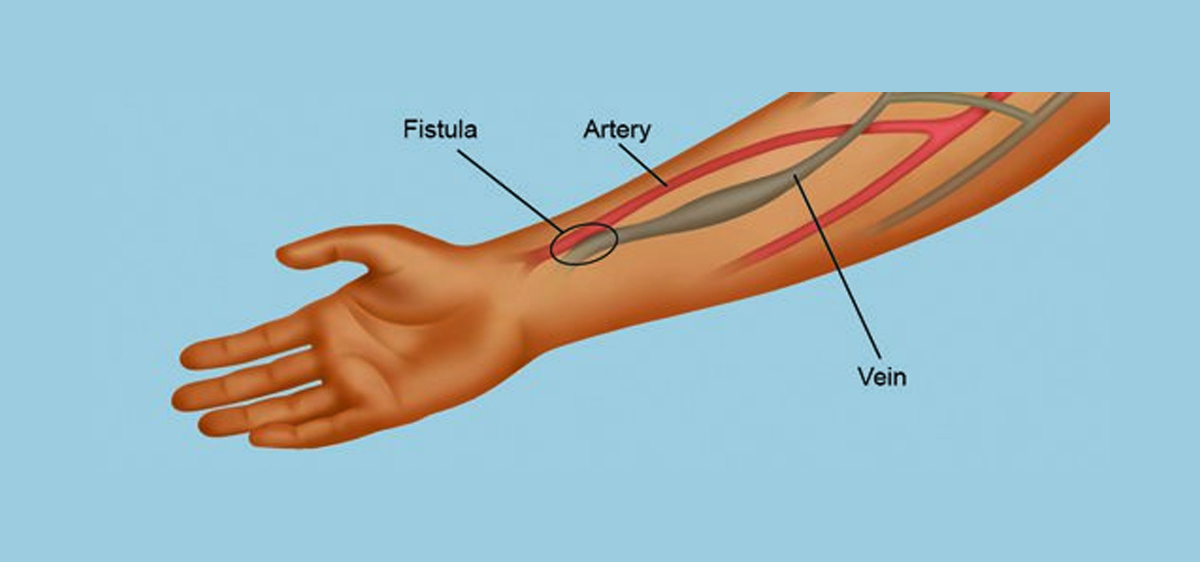
The repair of a failing or failed arteriovenous fistula (AVF) is a medical intervention aimed at restoring or improving the function of the vascular access created for hemodialysis. AVFs are surgically created connections between an artery and a vein, typically in the arm, to facilitate the efficient removal and return of blood during dialysis treatments. When an AVF fails, it can compromise the delivery of adequate dialysis, and repair may be necessary.
When a failing or failed AVF is suspected, a comprehensive assessment is conducted. This may involve physical examination, ultrasound imaging, and other diagnostic tests to evaluate the blood flow and integrity of the AVF.
The approach to repairing a failing AVF depends on the underlying issue. In some cases, surgical intervention may be required to revise or reconstruct the fistula, addressing issues such as vessel narrowing or aneurysm formation. Alternatively, endovascular procedures, such as angioplasty or stent placement, may be utilized to open narrowed segments of the AVF or resolve clotting issues.
Following the repair, patients are typically monitored closely to ensure the success of the intervention. Special attention is given to maintaining the patency and functionality of the AVF. Patients may be advised on lifestyle modifications and medications to prevent future complications.
© Dr. Ritesh Gaikwad. All Rights Reserved.